
Equity X-Ray: In-Depth Research #5
The Giants of Offshore Wealth, Valaris (VAL) and Tidewater (TDW)

Understanding Their Sector: Offshore Energy Services
The offshore energy services sector is a massive marine construction and logistics industry. Here's why it exists:
Oil and Gas Location
Much of the world's oil and gas is found beneath the ocean floor
These resources can be miles below the surface
Accessing them requires specialized equipment and expertise
Complex Operations
Imagine building and operating a small city in the middle of the ocean
Everything needs to be transported by boat or helicopter
Operations run 24/7 in challenging conditions
Safety and environmental concerns are paramount
High Costs and Specialized Equipment
Building and operating offshore rigs costs billions of dollars
Equipment must withstand harsh marine conditions
Specialized vessels and trained crews are essential
Why This Sector Matters
The offshore energy sector is crucial because:
Energy Supply: It provides about 30% of global oil production
Energy Security: Helps countries access their energy resources
Economic Impact: Creates high-skilled jobs and supports many related industries
The symbiotic relationship between drilling rigs and OSVs represents a crucial component of global energy infrastructure. With market projections showing continued growth and technological advancement reshaping operations, the sector presents unique investment opportunities despite inherent challenges.
🏗️ The Colossal Drilling Rigs: Engineering Marvels at Sea
Meet the Modern-Day Oil Hunters
Picture a 40-story building floating in the middle of the ocean. That's your typical offshore drilling rig - a technological marvel that can cost up to $1 billion. Valaris (VAL) is one of the key players in this niche.
These giants come in three fascinating varieties:
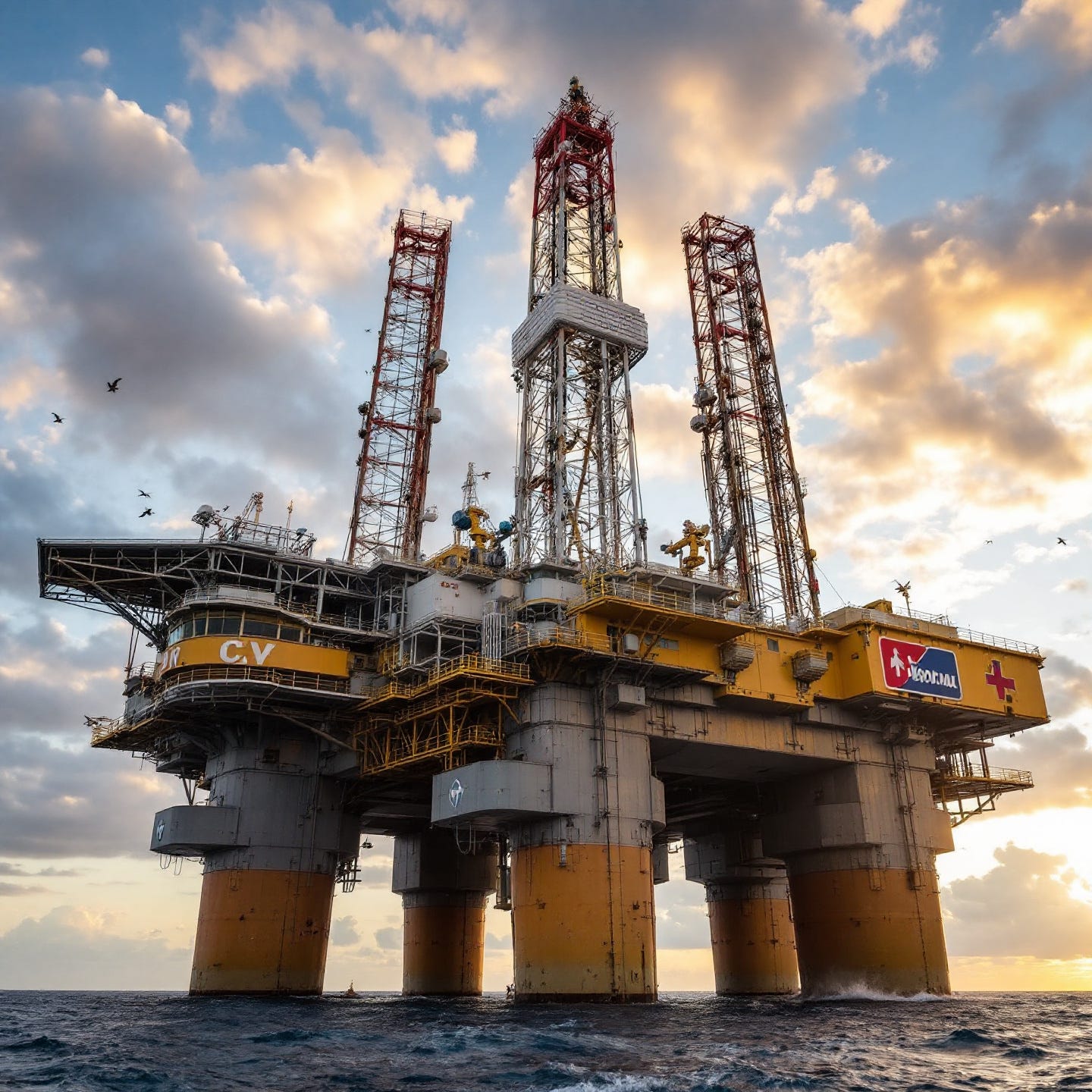
Jack-up Rigs: The Shallow Water Specialists
Like massive mechanical spiders
Extend their legs to the seafloor
Operate in waters up to 400 feet deep
Cost: $200-300 million
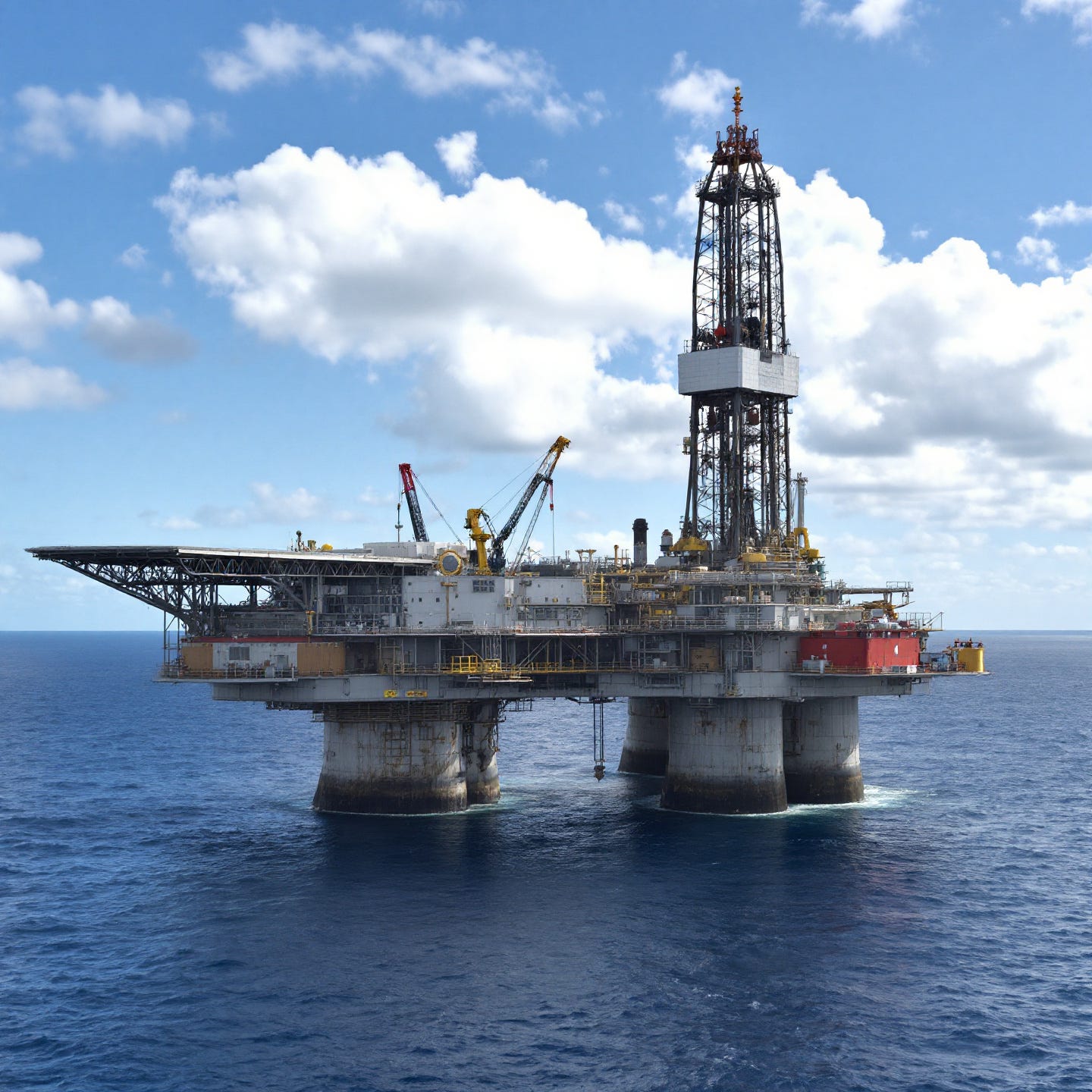
Semi-submersible Rigs
Float like massive icebergs
65% of their structure underwater for stability
Operate in waters up to 10,000 feet
Cost: $400-700 million
Drillships: The Deep-Water Explorers
Most advanced vessels in the fleet
Can drill in waters up to 12,000 feet deep
Equipped with GPS positioning systems
Cost: $600 million - $1 billion

💡 Fun Fact
A modern drilling rig uses more computing power than the spacecraft that first landed on the moon!
🚢 OSVs: The Unsung Heroes of Offshore Operations
The Maritime Supply Chain Masters
Offshore Supply Vessels (OSVs) can be compared to Amazon Prime's delivery network of the seas, with a fleet of vessels operated under major corporations. In this industry, Tidewater (TDW) stands as the market leader.
These versatile vessels are the lifeline of offshore operations:
Daily Operations Include:
Delivering 100+ tons of supplies
Transporting crews of 50+ workers
Carrying thousands of gallons of fuel
Moving heavy equipment
Providing emergency response
Types of OSVs:
Platform Supply Vessels (PSVs)
The workhorses of the fleet
Carry everything from food to drilling mud
Length: 150-300 feet

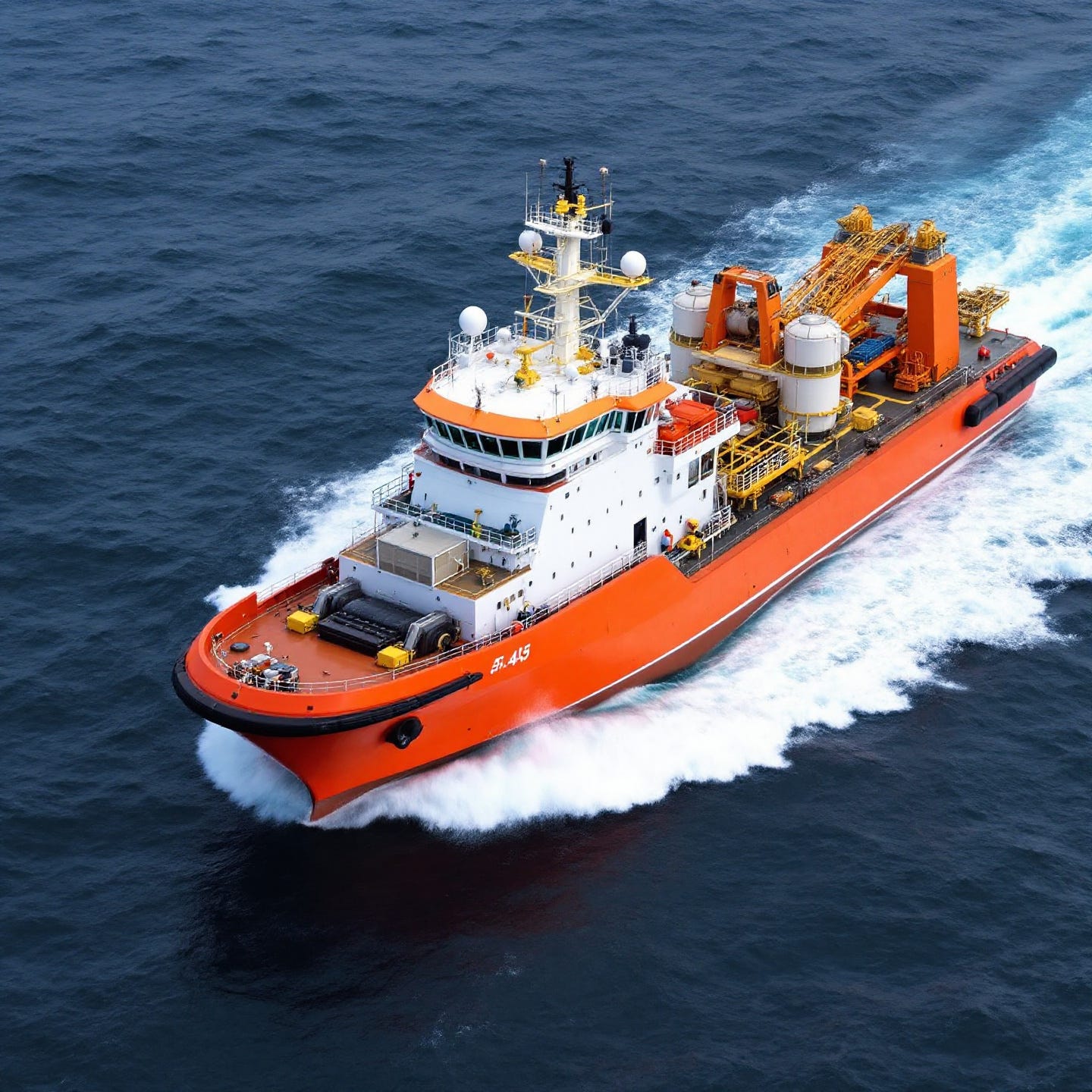
Anchor Handling Tug Supply (AHTS)
The muscle of the fleet
Move and position drilling rigs
Pull force: Up to 200 tons
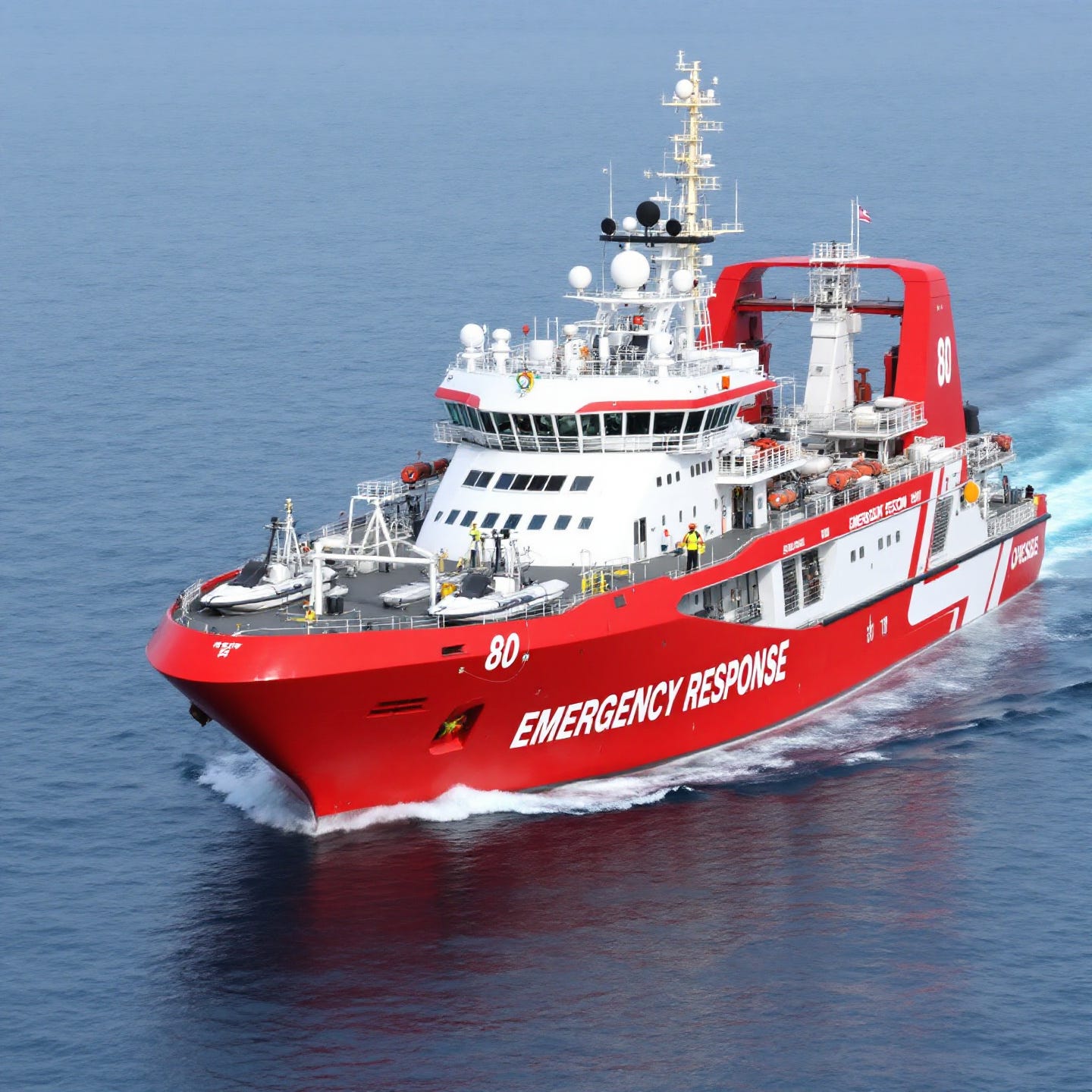
Emergency Response Vessels
The guardians of the sea
Equipped with firefighting equipment
Oil spill response capability
💰 The Economics: By the Numbers
Daily Operating Costs:
Drilling Rig: $200,000 - $500,000
OSV: $25,000 - $45,000
Revenue Generation:
Drilling Rig Contract: Up to $400,000/day
OSV Charter Rates: $15,000 - $80,000/day
💡 Quick Takeaway
"If drilling rigs are the kings of offshore energy, OSVs are the knights - smaller but crucial to winning the game."
🌟 From Process to Players: Spotlight on Tidewater & Valaris
In the dynamic world of offshore energy services, two industry titans stand out: Tidewater (TDW) and Valaris (VAL). These companies represent the backbone of maritime energy operations, providing critical services that keep the offshore energy sector moving forward.
Tidewater (TDW), established in 1956, has grown to become the world's largest owner and operator of offshore support vessels (OSVs). With a diverse fleet serving the global offshore energy industry, Tidewater has built its reputation on reliability, safety, and operational excellence in supporting offshore exploration, development, and production activities.
Valaris (VAL), formed through the merger of Ensco and Rowan Companies, stands as one of the world's largest offshore drilling contractors. The company operates an advanced fleet of drillships, jackup rigs, and semi-submersibles, providing drilling services to major oil and gas companies worldwide.
Their combined significance in the offshore energy sector includes:
Comprehensive offshore vessel support services
Advanced drilling operations
Global maritime logistics
Specialized offshore support solutions
Industry-leading safety standards
Operating across major offshore energy basins worldwide, these companies play a crucial role in maintaining the global energy supply chain, supporting everything from exploration to production activities in the most challenging marine environments.
Recent Performance and Future Prospects (TDW)
According to the Q2 2024 earnings call, Tidewater has achieved its highest-ever printed day rate and the highest gross margin percentage in 15 years. This strong performance was driven by broad-based day rate improvements across all vessel classes and geographic segments, indicating robust vessel demand and persistent tightness in vessel supply globally.
Looking ahead, Tidewater is optimistic about its prospects. The company expects significant growth in demand for its services, including drilling, subsea projects, floating production, and infrastructure support. Tidewater plans to leverage the supply-constrained vessel market and rising demand environment to push day rates and drive earnings and free cash flow growth. Additionally, the company is exploring opportunities to establish a long-term unsecured debt capital structure to provide more financial flexibility for capital allocation decisions.
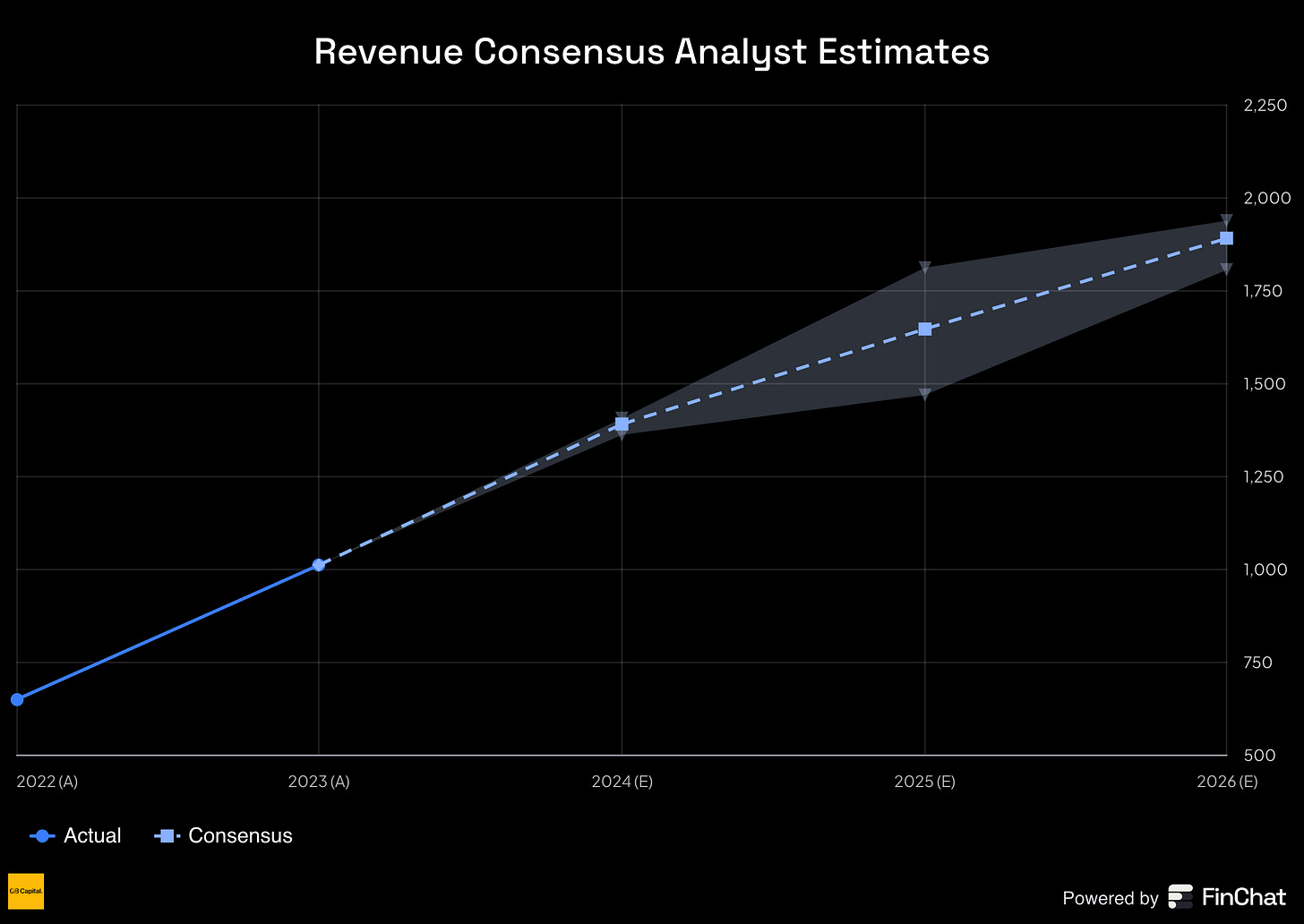
Revenue Estimates:
2024: $1.39 billion
2025: $1.65 billion
2026: $1.89 billion
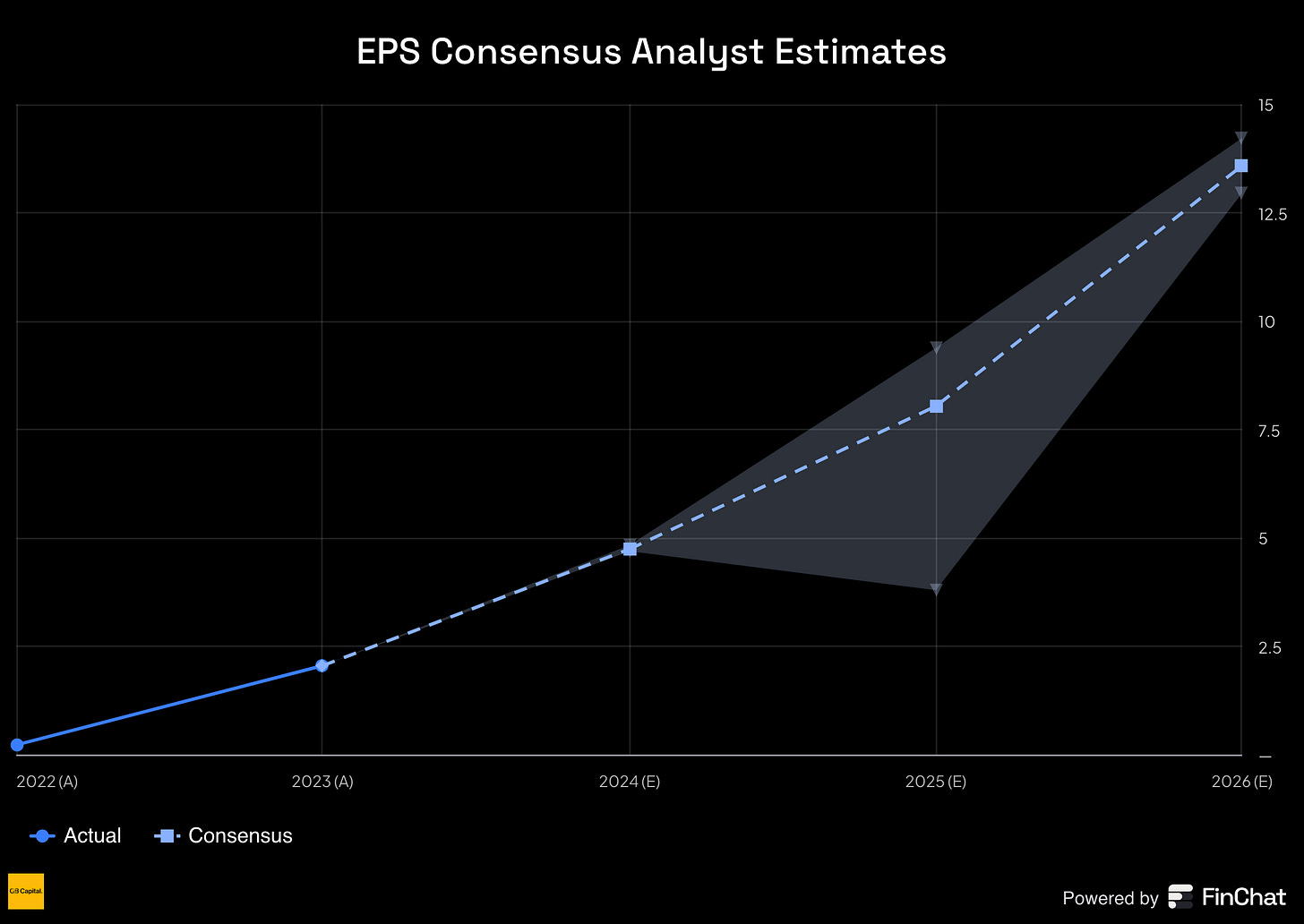
EPS Estimates:
2024: $4.74
2025: $8.03
2026: $13.59
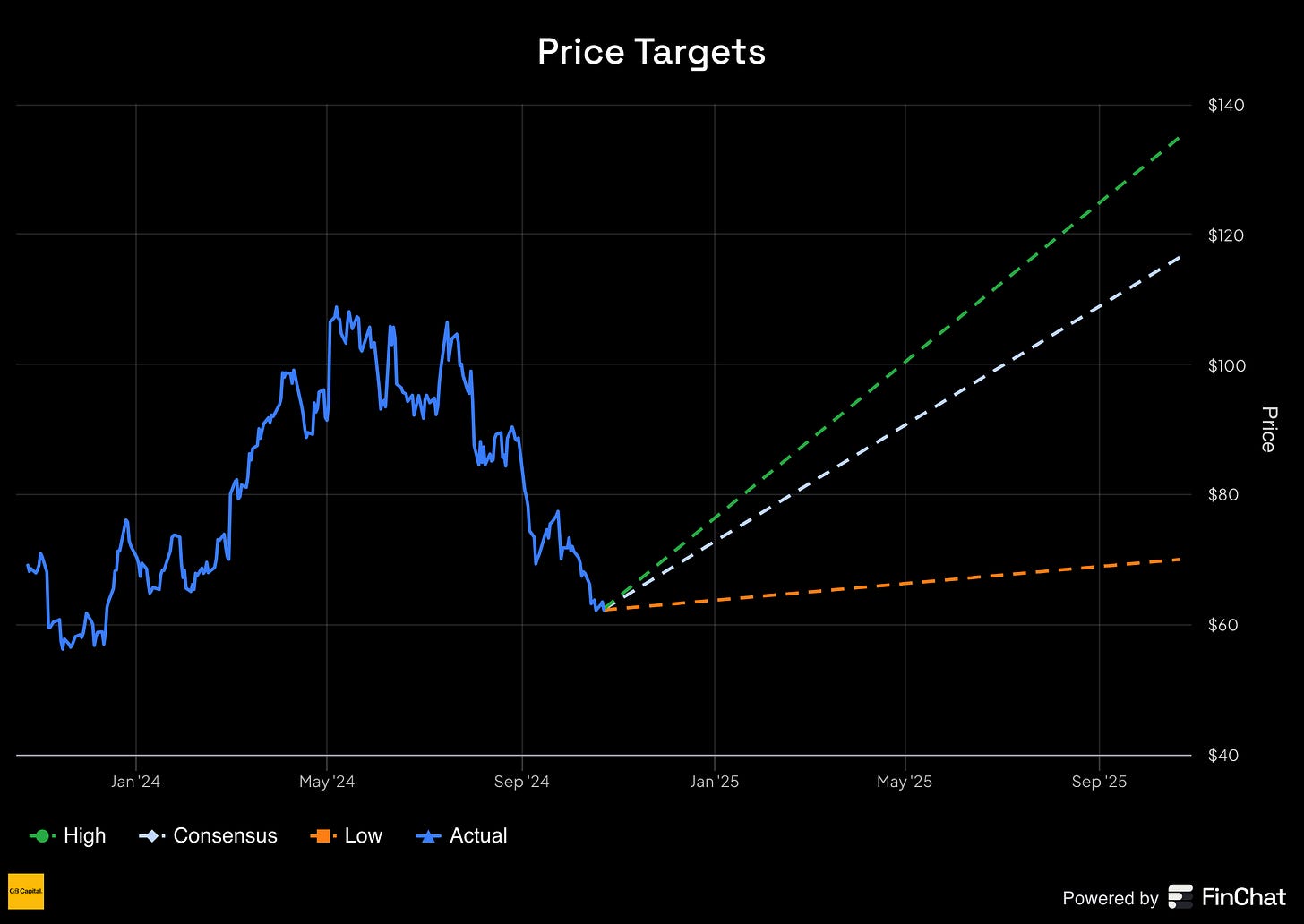
Price Targets:
SWOT analysis:
Strengths
Strong Market Position: Tidewater is a leading provider of offshore marine support and transportation services, with a significant presence in the global offshore energy industry.
Diverse Service Offerings: The company offers a wide range of services, including towing and anchor handling, transporting supplies and personnel, offshore construction, seismic and subsea support, and specialized services like pipe and cable laying.
Robust Financial Performance: Tidewater has shown strong financial performance with high gross profit margins (46.79%) and EBITDA margins (33.4%). The company also has a solid market cap of $3.33 billion.
Geographic Diversification: Significant drydock cycle improvement expected in 2025
Operational efficiency: Led by CEO Quintin V. Kneen, the management team has extensive experience in the offshore energy industry, which is crucial for navigating market challenges and capitalizing on opportunities.
Weaknesses
High Capital Expenditure: The offshore marine support industry requires significant capital investment in vessels and equipment, which can strain financial resources.
Dependence on Oil and Gas Industry: A large portion of Tidewater's revenue is derived from the oil and gas industry, making it vulnerable to fluctuations in oil prices and changes in energy policies.
Cycle Growth: Execution of maintenance cycle transition
Debt Levels: The company is exploring opportunities to establish a long-term unsecured debt capital structure, which could increase its financial leverage and interest obligations.
Opportunities
Growing Demand for Offshore Services: The demand for offshore drilling, subsea projects, floating production, and infrastructure support is expected to grow materially over the next few years, providing significant growth opportunities for Tidewater.
Renewable Energy Projects: Tidewater's involvement in wind farm development and maintenance positions it to benefit from the growing focus on renewable energy projects.
Day Rate Improvements: The company has successfully increased day rates across its vessel classes and geographic segments, and it plans to continue leveraging the supply-constrained vessel market to push day rates further.
Share Repurchase Program: Tidewater's Board has authorized additional share repurchase capacity, which can enhance shareholder value and signal management's confidence in the company's prospects.
Threats
Volatility in Oil Prices: Fluctuations in oil prices can impact the demand for offshore drilling and exploration services, affecting Tidewater's revenue and profitability.
Regulatory and Environmental Risks: The offshore energy industry is subject to stringent regulatory and environmental requirements, which can increase operational costs and limit growth opportunities.
Competition: Tidewater faces competition from other offshore marine support service providers, which can impact its market share and pricing power.
Geopolitical Risks: The company's global operations expose it to geopolitical risks, including political instability, trade restrictions, and changes in government policies in different regions.
Technical Analysis:
In the current financial landscape, Tidewater Inc. (TDW) is experiencing a significant downtrend, with its stock value plummeting over 40% from its recent highs. This steep decline suggests that initiating a new position in TDW may not be advisable. However, understanding the technical support levels and strategic approaches is crucial for investors keen on capitalizing on potential opportunities.
From a technical analysis perspective, TDW's first major support level is $56. This price point is anticipated to be a potential entry for buyers looking to capitalize on the stock's recovery. Should the downtrend persist, the next critical support level is at $42, offering another opportunity for strategic entry.
Investors have two primary strategies to consider when approaching TDW during this downtrend:
Gradual Accumulation Strategy: This approach involves slowly accumulating shares as the stock continues its downward trajectory. Investors might consider purchasing approximately 10% of their intended total position incrementally. This method allows for cost averaging and reduces the impact of short-term volatility.
Post-Recovery Investment Strategy: Alternatively, investors may choose to wait until TDW reclaims all key moving averages. By doing so, they can start investing once the downturn has conclusively ended. Although this strategy may result in purchasing at a higher price, it significantly lowers the investment risk by ensuring the stock is on a confirmed upward trend.

Recent Performance and Future Prospects (VAL)
Valaris delivered strong safety, operating, and financial performance in Q2 2024, achieving 99% revenue efficiency without a lost-time incident. The company continues to execute its commercial strategy, securing attractive new contracts and building its backlog, which now totals over $4.3 billion. Valaris maintains conviction in the strength and duration of the current up-cycle, seeing strong customer demand for projects expected to commence in 2025 and 2026. The company is focused on filling uncontracted days in 2024 and securing term work starting in 2025 and beyond to support expected earnings and cash flow growth.
Valaris expects to generate meaningful and sustained free cash flow in 2025 and beyond, and intends to return all future free cash flow to shareholders unless there is a better or more value-accretive use for it. The company believes it is well-positioned to benefit from the strength and duration of the structural up-cycle.
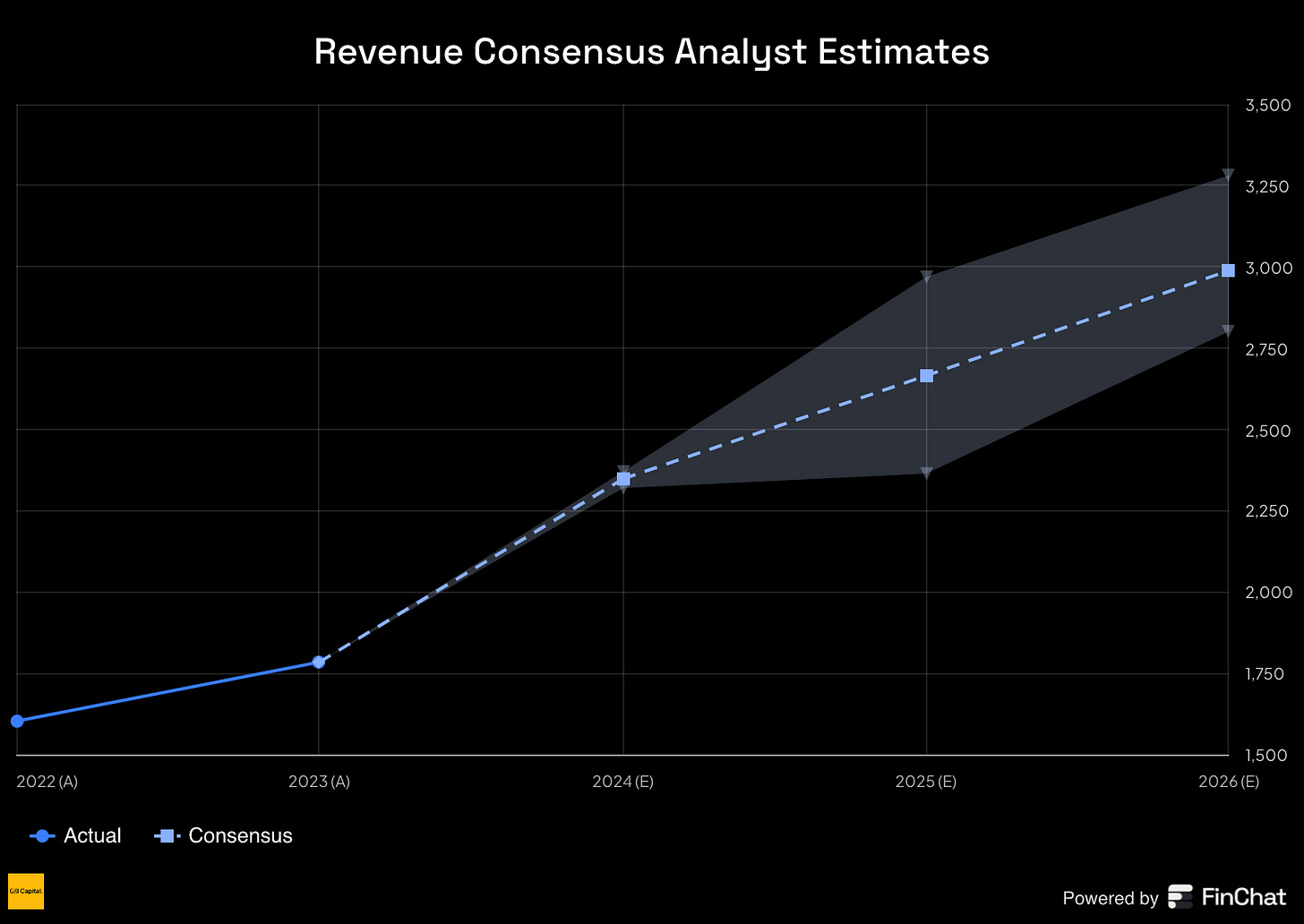
Revenue Estimates:
2024: $2,347.97M
2025: $2,665.07M
2026: $2,988.82M
EPS Estimates:
2024: $4.56
2025: $8.56
2026: $13.2
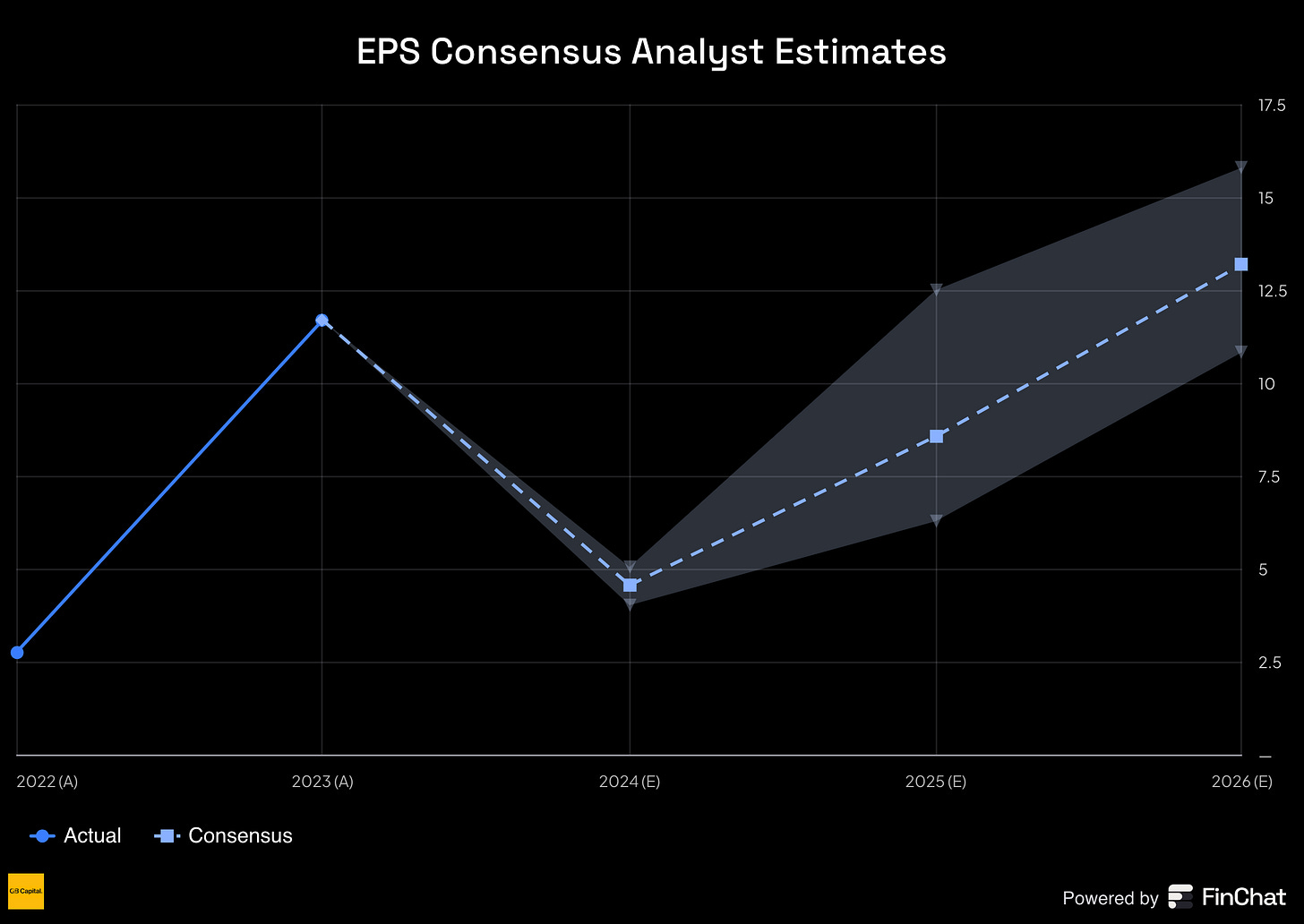
Price Targets:
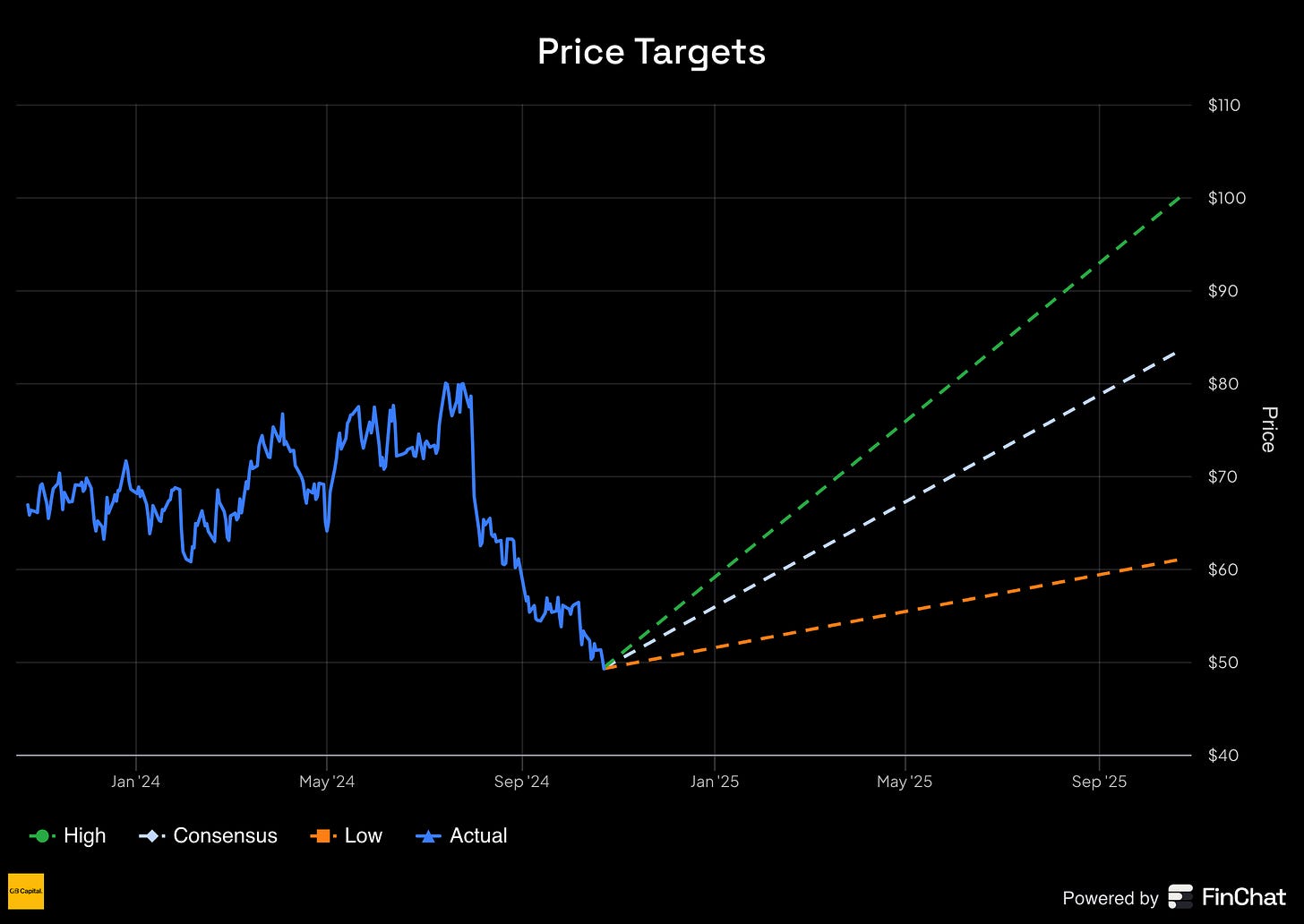
⚡ AI-optimized, human-verified: Premium market intelligence carefully selected from Finchat's data by our expert team. Explore now →
SWOT analysis:
Strengths
Strong Market Position: Valaris is a leading provider of offshore contract drilling services with a diverse fleet of 56 rigs, including drillships, semisubmersible rigs, and jack-up rigs.
Robust Financial Performance: The company has demonstrated strong financial metrics, including a high net profit margin of 49.33% and a P/E ratio of 3.68, indicating profitability and attractive valuation.
Significant Backlog: Valaris has secured a backlog of over $4.3 billion, providing revenue visibility and stability for the coming years.
Operational Efficiency: Achieving 99% revenue efficiency without a lost-time incident in Q2 2024 highlights the company's operational excellence and commitment to safety.
Experienced Leadership: Led by CEO Anton Dibowitz, the management team has a proven track record in the offshore drilling industry.
Weaknesses
High Capital Expenditure: The offshore drilling industry requires significant capital investment in maintaining and upgrading rigs, which can strain cash flows.
Negative Free Cash Flow: The company has a negative free cash flow per share of -$8.76, indicating potential liquidity challenges.
Geographical Concentration: While Valaris operates globally, a significant portion of its operations is concentrated in specific regions, exposing it to regional economic and political risks.
Opportunities
Growing Demand for Offshore Drilling: Increasing global energy demand and higher oil prices are driving investments in offshore drilling projects, providing growth opportunities for Valaris.
Technological Advancements: Innovations in drilling technology can enhance operational efficiency and reduce costs, benefiting Valaris's bottom line.
Strategic Partnerships and Contracts: Securing long-term contracts and partnerships with major oil and gas companies can provide stable revenue streams and enhance market position.
Expansion into New Markets: Exploring opportunities in emerging markets with untapped offshore resources can drive future growth.
Threats
Volatility in Oil Prices: Fluctuations in oil prices can impact the demand for offshore drilling services and affect Valaris's revenue and profitability.
Analyst downgrades: including Benchmark downgrading from "Strong Buy" to "Hold" in October 2024
Competitive Pressure: The offshore drilling industry is highly competitive, with numerous players vying for contracts, which can lead to pricing pressures and reduced margins.
Economic Downturns: Global economic slowdowns or recessions can reduce energy demand and negatively impact Valaris's business.
Technical Analysis:
Valaris Limited (VAL), much like Tidewater Inc. (TDW), is currently entrenched in a clear downtrend. However, from a technical standpoint, VAL is forming a falling wedge pattern, which often signals a potential reversal and a move higher. This pattern suggests that VAL might be poised for an upward move slightly ahead of TDW, should the pattern resolve to the upside.
The first major support level for VAL at $54 has already been breached, indicating continued downward pressure. The next significant support level is $41, which could be a critical entry point for investors looking to capitalize on a potential reversal.
Investors considering VAL have strategic options similar to those for TDW.
🚢 The offshore energy world is a high-stakes game of floating cities and marine logistics, where OSVs are the unsung heroes. With rigs that cost more than a small country's GDP, it's clear that in this industry, the sky's the limit—even when you're underwater! 🌍

Be the Force Behind Market Mastery - Support Our Community
Your contribution enables us to keep delivering premium market insights at no cost to thousands of investors.
Note: This analysis is based on current market conditions and company-specific factors. Investors should conduct their due diligence and consider broader market dynamics in their investment decisions.
Questo pezzo era gratuito. Il prossimo arriva domenica.This piece was free. The next one lands on Sunday.
Dieci nomi con i livelli, la lettura del mercato, la chat con le posizioni in diretta. Con l'abbonamento leggi tutto; senza, ricevi la parte gratuita via email.Ten names with their levels, the market read, the chat with live positions. Subscribers read everything; free readers get the free part by email.